

 0
0
Storage Tips
10Dec

Making Space for Change: What Self Storage Prices in Singapore Reveal About Life Transitions
Part 1: Introduction
Singapore’s utilisation of its limited space has changed dramatically in recent decades. Flats have grown more compact, lifestyles have become more varied, and personal belongings accumulate faster than many homes can accommodate. These patterns reflect a larger shift in how residents live, work, and adapt to an increasingly dense city. As people navigate tighter layouts and more complex routines, external storage has become an essential support system rather than an optional convenience. The rising demand for secure, flexible units is closely connected to self-storage prices, which offer a glimpse into the practical realities of modern living and the adjustments people make to stay organised and comfortable .
These trends also reflect evolving housing needs, where storage outside the home acts as a stabilising buffer during major transitions. Renovations, relocations, career shifts, and changing family structures often require temporary or supplementary space that the home cannot provide. As a result, self-storage prices are increasingly seen not only as monthly rental fees but as part of a wider ecosystem of support that helps residents retain control over their environment.
In a city where space is precious, self-storage prices highlight how households prioritise flexibility, security, and room to breathe as they manage belongings that remain meaningful to everyday life.
Key Takeaways
- Self-storage prices reveal how residents in Singapore adapt to rising density, smaller flats, and new lifestyle priorities.
- Flexible locker rental services support life transitions such as relocation, renovation, and downsizing.
- As evolving housing needs grow more complex, Singaporeans value adaptable, secure, and affordable space solutions.
Part 2: The Evolving Value of Space

2.1 Understanding Self-Storage Prices in Singapore
The cost of storage across Singapore varies according to unit size, location, ease of access, and climate control. Small lockers may start from SGD 50 to SGD 70 per month, medium units often fall between SGD 200 and SGD 350, and larger or climate-controlled units may range from SGD 400 to SGD 500. These figures demonstrate how self-storage prices are proportionate with convenience, demand, and location. For many residents, these rates reflect a balance between affordability and the reassurance of securing belongings in a safe, well-maintained environment.
Climate-controlled units, frequently selected for electronics, leather goods, archived documents, or delicate materials, tend to command a higher fee because they provide protection against humidity and temperature fluctuations. This added safeguard is especially relevant in Singapore’s tropical climate, where condensation and mould can develop quickly. As consumer habits continue to evolve and more residents invest in hobbies or entrepreneurial work that require additional equipment, self-storage prices become a practical indicator of the growing value placed on controlled, protected environments.
Like real estate, location is still a major factor in cost. Central districts and accessible urban areas naturally see higher demand, contributing to premium self-storage prices. Convenience plays a major role in customer decision-making, as many residents prefer facilities located near transport nodes or their own neighbourhoods. These preferences reveal how households weigh cost against ease of access, especially when frequent trips to retrieve items are anticipated.
Beyond the numerical cost, self-storage prices also express deeper priorities. Residents increasingly view storage as a stabilising tool during uncertain or transitional phases. Whether storing belongings during a renovation, placing items aside while relocating, or clearing space to improve home comfort, individuals choose storage based on how well it supports everyday living. This represents not only market conditions, but also emotional value, practicality, and a growing desire for adaptable space that fits seamlessly into modern life.
2.2 Urban Density and the Shifting Definition of “Home”
Singapore’s compact housing landscape has shaped how residents think about space, comfort, and daily practicality. Newer HDB and condominium units are generally smaller than homes built in earlier decades, which means many households must adapt to tighter layouts from the outset. These conditions form the core of the urban living space challenges experienced across the island, influencing how families arrange their homes and manage belongings that quickly accumulate over time.
Multi-generational households add further complexity. When several age groups share the same home, storage needs expand while actual physical space does not. Items such as baby gear, school materials, work equipment, recreational gear, and keepsakes compete for limited room. As a result, it becomes difficult for families to maintain a sense of order without external support. This is where flexible storage options play a valuable role, helping residents cope with fluctuations in household size or lifestyle demands without resorting to major interior changes or costly renovations.
Alongside these spatial pressures, changing lifestyle trends in Singapore have created new expectations about how homes should function. More residents pursue equipment-heavy hobbies, work remotely, launch side businesses, or rotate between active and minimal living arrangements. Homes are increasingly viewed as multi-purpose spaces, expected to serve as workstations, rest areas, entertainment zones, and storage zones all at once. These shifting patterns place additional strain on limited layouts and encourage people to look outward for adaptable solutions.
As these habits take root, storage solutions outside the home become part of the natural ecosystem of modern living. Renting a unit or locker is now seen as a practical and responsible choice rather than an extravagance. The increasing demand for external space directly influences self-storage prices, reflecting how residents balance convenience, accessibility, and comfort while navigating the realities of compact urban homes.
2.3 Flexibility as a New Currency in Modern Singapore
Today, more residents in Singapore place significant value on choice, convenience, and adaptability, and these preferences shape the way they approach housing, work, and long-term planning. Flexibility has become a central requirement rather than a desirable bonus, especially as people navigate unpredictable timelines and varied lifestyle demands. This mindset is reflected clearly in how residents use external storage. The ability to rent space on a short-term basis, adjust unit sizes with ease, and access belongings at any time offers a level of control that aligns closely with modern expectations.
Storage locker units, for instance, have become essential during several life situations. Delays in home key collections may require families to keep their furniture and belongings in temporary storage. Renovation periods often involve clearing large items to protect them from dust or damage. Young couples preparing for expanding families also rely on storage when making room for new arrivals. Similarly, individuals working overseas for temporary assignments prefer keeping their possessions safely stored until they return. These scenarios highlight how residents value the ability to calibrate their space needs on demand.
Due to the rising cost of living, it is also no surprise that residents are on the lookout for the cheapest storage spaces they can find that do not compromise on quality or flexibility. To do so, customers increasingly compare packages based on convenience, scalability, and transparent fees. As they shop for competitive self-storage prices, their choices demonstrate a preference for practicality over long-term commitments. Flexibility becomes a tool that helps them maintain stability through periods of transition.
Singapore’s self-storage sector has grown rapidly in response to these expectations. Each shift in usage patterns influences how self-storage prices stabilise or fluctuate, linking affordability directly to demand. The emphasis on quick adjustments, minimal commitments, and customised arrangements reinforces the idea that adaptable solutions are central to modern living. Across the island, flexibility has become a defining feature of how residents reorganise, protect, and optimise their living spaces.
Part 3: Life Transitions Behind the Numbers

3.1 Major Transitions That Drive Demand
Major life changes often require more space than the home can provide. This is where the need for self-storage becomes most evident, and where self-storage prices reflect human stories rather than simple cost calculations.
Relocation and Renovation
Families moving between flats frequently face mismatched timelines. Storage provides a safe, organised environment for belongings while waiting for key collections or for renovation works to conclude. Here, self-storage prices act as a buffer cost, which is far lower than renting a temporary flat or rushing a move.
Growing Families
Parents often need short-term storage to keep bulky baby gear or seasonal accessories. These items may be essential for future use but impractical to store within smaller homes. In such circumstances, residents seek affordable space solutions that provide peace of mind without long-term financial strain.
Retirement and Downsizing
Older residents transitioning from larger homes to compact units require safe places for heirlooms, furniture, or sentimental possessions. The willingness to invest in careful storage reflects the emotional weight of this transition. For retirees, reasonable self-storage prices help maintain comfort without sacrificing cherished belongings.
Overseas Assignments
Professionals relocating abroad temporarily rely on storage solutions to keep household items safe. Avoiding repeated packing reduces stress, and selecting the right type of unit often depends on comparing self-storage prices to relocation allowances or employer-covered costs.
These examples show how price patterns are shaped by personal journeys. The cost of storage becomes intertwined with security, flexibility, and emotional comfort, explaining why prices remain a visible part of transitional planning across Singapore.
3.2 How SelfStore Supports Singapore’s Evolving Storage Needs
Storage providers in Singapore, such as SelfStore, focus on helping customers navigate life transitions through flexible storage options, transparent pricing, and secure environments that adapt to their changing needs. With lifestyles becoming more dynamic and homes growing increasingly compact, the ability to rely on a trusted facility has become an important part of how residents manage both planned and unexpected changes. These shifts are closely tied to evolving housing needs, which continue to influence how residents approach storage and space management.
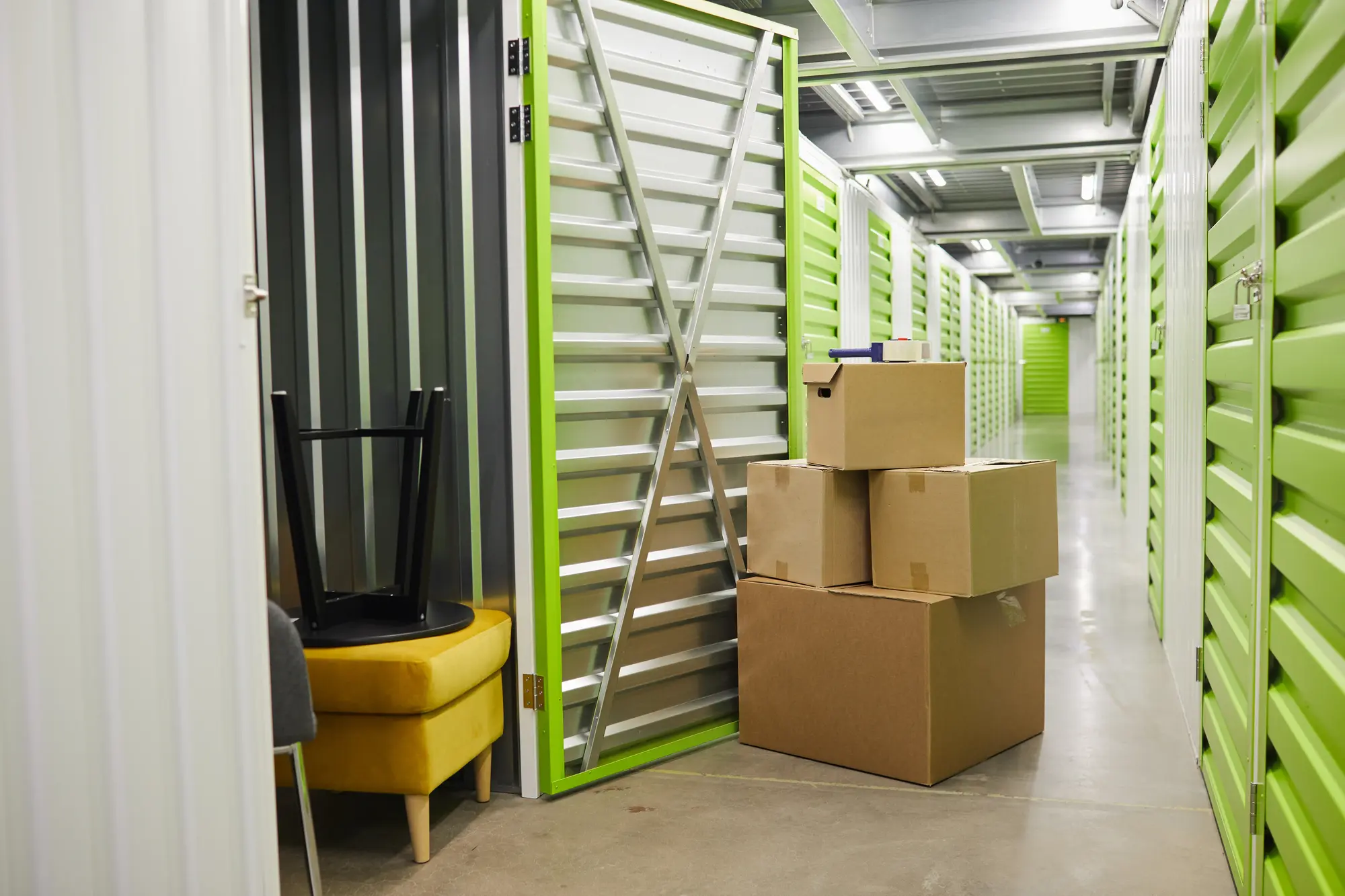
SelfStore offers a wide range of storage units and locker rentals to suit both personal and business requirements. This variety ensures that customers can find a unit that fits their situation, whether they are storing a few boxes of keepsakes or larger items such as furniture, appliances, or business inventory. Both air-conditioned and non-air-conditioned spaces are available, providing protection against humidity and temperature changes for valuables that require extra care. These options reflect an understanding of how households rely on storage solutions to maintain order and comfort as their needs change.
To support residents through major life transitions, SelfStore uses transparent pricing models that allow customers to upgrade or downsize easily. This clarity helps individuals plan their budgets more effectively, particularly when navigating relocation, renovation, or downsizing. Many appreciate the reassurance of paying only for the space they need, without unnecessary commitments or complex terms. This aligns with growing expectations for reasonable self-storage prices that remain practical and manageable.
Security is also a key feature in SelfStore’s storage units. Our facilities are equipped with 24-hour CCTV surveillance, secure pin-code entry, and well-maintained environments designed to protect belongings from theft, damage, and environmental challenges. These safeguards give customers confidence when storing items of sentimental or financial value.
Designed to offer both convenience and reassurance for customers undergoing life transitions, SelfStore’s approach aligns with modern expectations for adaptable, reliable, and supportive storage experiences.
Frequently Asked Questions
1. Are self storage units expensive in Singapore?
At SelfStore, our self-storage pricing is structured to be clear, competitive, and flexible. Unit sizes range from small lockers (around 13 sq ft) to extra-large units (up to approximately 193 sq ft), allowing customers to match cost to actual need. Payment modes include cash and cheque, PayNow, credit card, and iBanking, offering convenience for monthly fees.
2. Can I rent storage for short periods during renovation or relocation?
Yes. SelfStore provides short-term rental plans designed for periods of renovation, relocation, or temporary downsizing. Customers can also adjust unit sizes according to changing needs, benefiting from the full range of personal and business storage services under one roof.
3. Is my furniture or equipment secure?
Security is central to SelfStore’s offering. Facilities feature 24/7 CCTV monitoring and automated door access, ensuring controlled entry. Both air-conditioned and non-air-conditioned units are available, ranging between 10.8 and 86.5 sq ft for air-conditioned units and 12.9 to 193.1 sq ft for non-air-conditioned spaces.
4. How do I select the right unit size?
SelfStore provides detailed size guides that list suitable unit types for seasonal items, valuables, furniture, and business inventory. Clear pricing terms and quotation tools help customers avoid paying for unused space.
5. Do prices vary across locations?
Yes. Besides location, access features, unit size, and climate control can also influence self-storage pricing. SelfStore operates at central sites like Hoy Fatt Road and Lower Delta Road, where convenience is reflected in the corresponding prices.
As compact homes, transitional living, and dynamic routines become the norm in Singapore, the demand for secure external storage increases as well. Self-storage prices are a good indicator of how residents adapt to urban living space challenges, lifestyle changes, and changing priorities. Whether you are starting a family, relocating, or downsizing, storage remains an essential tool for maintaining comfort and order.
SelfStore supports these needs through secure facilities, flexible storage options, climate-controlled and non-climate-controlled units, and transparent self-storage prices. In a city shaped by changing lifestyle trends, SelfStore offers dependable storage locker units, adaptable sizing, and flexible terms for every stage of life.
If you are preparing for a move, undergoing renovation, or adjusting to new circumstances, SelfStore provides practical, reliable, and accessible solutions that help you create room for what matters most. Contact us today to explore the right storage plan for your needs.