

 0
0
Storage Tips
09Dec

How Singapore’s Compact Living Trends Are Changing the Way We Store
Part 1: Introduction
Singapore’s housing landscape has always evolved in response to shifting needs, population density, and land constraints. Today, these factors have created a new era where compact living is no longer a niche preference, but a defining experience for many households. Smaller homes, rising lifestyle expectations, and the steady influence of design trends shape the way families think about comfort, organisation, and long-term home planning.
The average floor area for each HDB flat type has remained largely consistent since the late 1990s. However, a greater proportion of smaller units such as 2-room Flexi and 3-room flats has emerged, reflecting Singapore’s changing demographic profile. These homes support singles, elderly residents, and smaller families who prefer compact, manageable environments that suit their daily routines and financial considerations.
The private housing market reveals similar patterns. For instance, condominium sizes have gradually shrunk over the past 15 years as developers work to balance affordability with urban convenience. Smaller footprints have encouraged residents to embrace compact living not just as a necessity, but as an opportunity to live with intention.
As household sizes decrease and space becomes more precious, many have begun rethinking how rooms are used, how possessions are managed, and how thoughtful design shapes comfort. This shift has led to growing interest in solutions that support compact living, including self storage, storage space for rent, and flexible locker rental options for items that matter but no longer fit in the home.
Compact homes can feel warm, comfortable, and deeply personal when space is managed with clarity. With the support of urban home design, smart planning, efficient furniture, and secure storage solutions, Singaporeans are discovering how to create spaces that are both practical and inspiring.
Key Takeaways
- Smaller homes and shifting demographics have made living with spatial constraints an essential part of modern life in Singapore, shaping how residents organise, decorate, and use their homes.
- Flexible options such as self storage, locker rental, and storage solutions help households enjoy tidy, calm spaces without giving up important belongings.
- Trends in urban home design, sustainability, and modern lifestyle trends guide the way residents approach decluttering and organisation, creating spaces that support comfort and well-being.
Part 2: The Rise of Compact Living in Singapore

2.1 How Urban Density Shaped Modern Housing
Singapore’s evolution into a high-density city has shaped how homes are designed and how residents interact with their living environment. As the population grew and land remained limited, housing developments naturally shifted towards vertical living and smaller unit sizes. These patterns encouraged the adoption of compact living, where families prioritise efficiency and clarity within the home rather than relying on large layouts.
In the private housing market, according to The Straits Times, average condominium sizes have shrunk over the past 15 years as developers worked to keep homes affordable while still offering desirable amenities. This reduction in unit size prompted a greater appreciation for space saving solutions, multifunctional layouts, and flexible uses of everyday rooms. For many households, compact living became a practical response to changing home sizes as well as shifting expectations about comfort and usability.
The public housing landscape shows similar patterns. While average floor areas for each HDB flat type have remained broadly stable, the proportion of smaller units has grown to support singles, elderly households, and smaller families. Homes today must support work, rest, learning, hobbies, and family life within limited square footage. This makes small space living a reality for many, influencing how residents think about personal possessions, layout decisions, and storage.
Urban planning trends also influence the way homes evolve. Developers increasingly adopt modular designs, vertical shelving concepts, and integrated carpentry as part of urban home design, ensuring that compact homes remain comfortable and functional. These features help residents enjoy a balanced environment where belongings have designated places and clutter does not overwhelm daily routines.
As national sustainability goals expand under the Singapore Green Plan for 2030, households are encouraged to consume less, manage waste mindfully, and live more intentionally. This direction naturally complements smaller spaces, reinforcing its role as both a practical solution and a meaningful lifestyle choice.
2.2 Compact Living as a Lifestyle Movement
Although smaller homes have practical origins, compact living has grown into a lifestyle movement that reflects evolving values across Singapore. Younger homeowners and families increasingly embrace clutter-free environments inspired by Japanese minimalism, Scandinavian interior design, and sustainable consumption habits. Social media trends further influence these preferences, showcasing calm, open interiors that appear effortless yet intentional.
This shift is closely linked to broader modern lifestyle trends. Many people now prefer experiences over material accumulation, leading them to purchase fewer items and prioritise quality over quantity. Online marketplaces have made second-hand buying and selling more mainstream, encouraging circular consumption and reducing clutter at home. As residents adopt these rhythms, compact living becomes an appealing and attainable lifestyle rather than a response to limited space.
Hybrid work arrangements strengthen this movement. With many individuals working from home part-time, living rooms, bedrooms, and dining areas must transform into productive workspaces. This requires thoughtful planning and encourages decluttering and organisation to keep environments adaptable throughout the day. In this context, residents appreciate the freedom that comes from having fewer items crowding their surfaces and more room for movement, creativity, and rest.
However, even the most intentional lifestyles contain belongings that matter deeply. Sentimental keepsakes, travel items, sporting equipment, and hobby materials do not always fit neatly into compact homes. As living in smaller spaces become more inevitable, so does the need for practical extensions of the home through self storage, storage solutions, and options to rent a locker for easy access.
These external supports help residents maintain tidy, soothing homes without giving up valued belongings. They ensure that compact living remains flexible, realistic, and emotionally supportive, especially in a fast-paced urban environment. As this movement continues to grow, Singaporeans are discovering that thoughtful curation brings clarity, comfort, and renewed appreciation for the spaces they call home.
2.3 The Changing Role of Space in Everyday Life
As daily routines in Singapore shift, so does the meaning of personal space. Homes are no longer static environments but dynamic settings that must support different roles throughout the day. Living rooms turn into workstations, bedrooms become study corners, and balconies double as places for exercise or quiet relaxation. Hybrid work routines have made these transformations common, allowing residents to reimagine how their spaces can serve them.
With homes taking on more responsibilities, clutter can build up quickly. Devices, documents, children’s materials, fitness items, and kitchen tools compete for room. This pushes households to adopt clearer systems of decluttering and organisation, helping them maintain a sense of calm despite busier surroundings. Compact living provides a guiding framework, encouraging residents to classify their belongings by purpose, frequency of use, and emotional significance.
Many Singaporeans now recognise that physical clutter affects mental well-being. A tidy home supports focus, rest, and productivity, especially when work and personal life occupy the same space. This strengthens the appeal of small space living, where the goal is not to restrict oneself but to create spaciousness through intentional choices.
However, personal and family needs still vary greatly. Some households require space for sports equipment, festive décor, luggage, or infrequently used furniture. Others accumulate business inventory or creative materials that do not fit neatly into compact homes. As a result, many turn to self storage, locker rental, or flexible storage space for rent to complement their living arrangements.
These supports extend the home outward, ensuring residents do not feel overwhelmed by possessions or forced to give up meaningful items. With secure access, a range of unit sizes, and convenient central locations, external storage solutions provide the freedom to design homes according to comfort rather than constraints.
In this evolving landscape, compact living becomes an adaptive, life-enhancing practice. It helps households create calm foundations while still supporting hobbies, work, relationships, and the many layers of modern life.
Part 3: How Compact Living Is Changing the Way We Store

3.1 From Cluttered Homes to Curated Spaces
Compact living encourages selective ownership, intentional purchasing, and regular re-evaluation of household items. Instead of keeping everything within immediate reach, residents learn to curate their environment.
Decluttering has become a cultural norm. Seasonal décor, spare furniture, bulky appliances, travel equipment, and sentimental objects often take up valuable floor space. By rotating these items out of the home, residents maintain layouts that feel open and welcoming.
With compact living as a guiding principle, residents prioritise functionality, accessibility, and emotional value. This shift reframes storage not as an afterthought but as an integral component of home management.
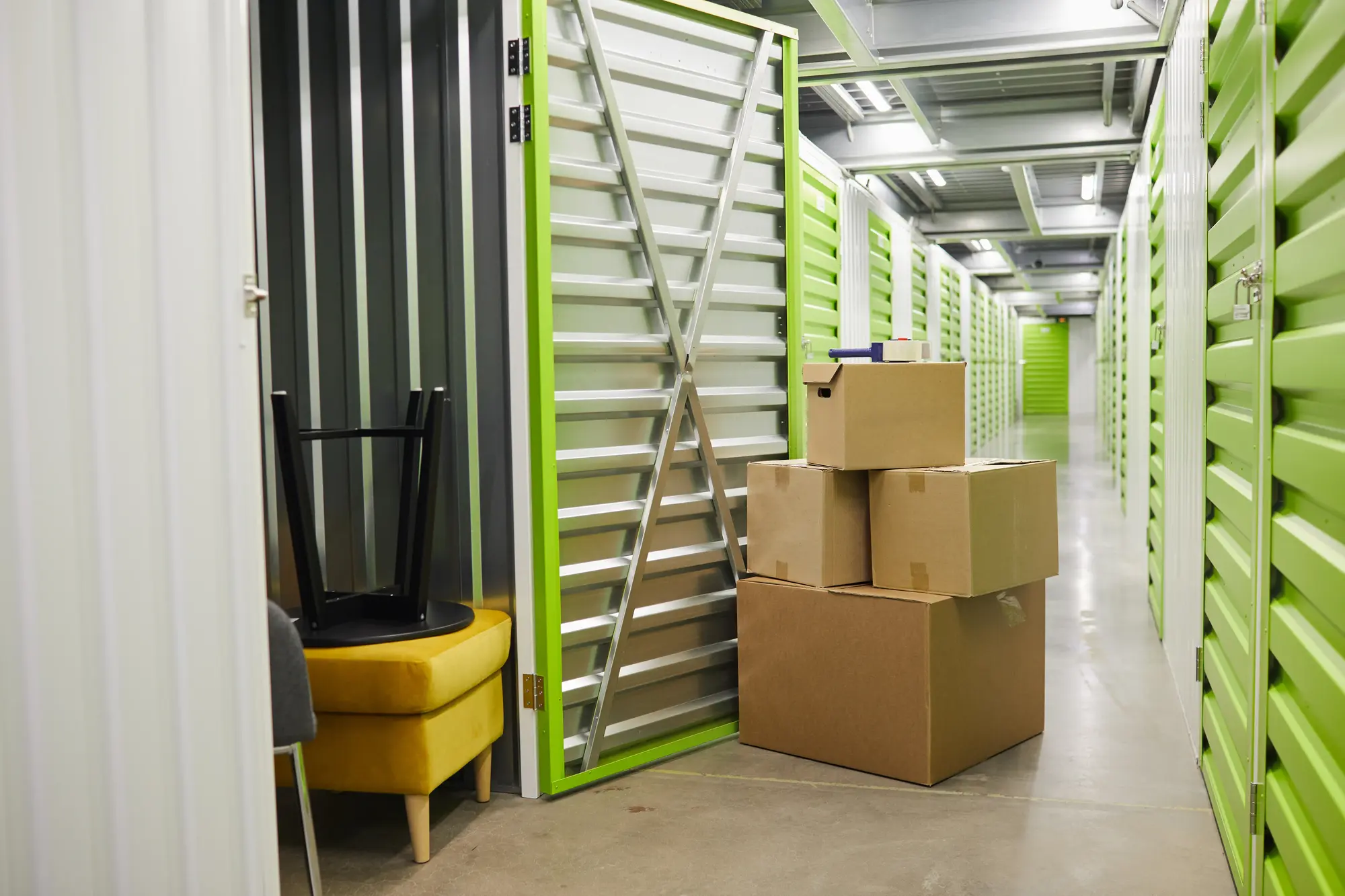
Self Store supports this journey by offering storage solutions tailored to different needs. Households can select a storage space for rent that fits the volume they intend to store, from compact lockers to more spacious units. For those needing minimal space, locker rentals ensure convenience without long-term commitment.
As a result, compact living becomes a harmonious balance between what stays at home and what is stored responsibly elsewhere.
3.2 The Rise of Smarter, Flexible Storage Options
Singapore’s compact homes push families to adopt flexible and scalable methods of managing their belongings. This is where modern, easily accessible storage spaces play a valuable role. As units shrink and routines expand, residents prefer storage that is secure, convenient, and adaptable.
Self Store offers storage units ranging from approximately 10.8 sq ft to about 193.1 sq ft, with options available at both Hoy Fatt Road and Lower Delta Road. Flexible rental terms starting from one month support short-term needs, such as renovations, relocations, or seasonal transitions.
Security features, including 24/7 access and round-the-clock CCTV, give households confidence that their belongings are safe. Air-conditioned and non-air-conditioned options accommodate everything from delicate items to business inventory.
These arrangements support compact living, allowing families to keep their homes organised without letting possessions take over daily living areas. This approach aligns naturally with small space living, where every square metre matters.
Businesses and hobbyists equally benefit from storage solutions that provide room for inventory, equipment, or documents. By shifting non-daily items off-site, individuals reclaim living spaces while preserving a sense of control and calm.
Many residents appreciate that compact living does not require giving up treasured belongings. Instead, it simply means choosing where those items are best kept.
Frequently Asked Questions
Do I really need to own so much?
With compact living becoming a dominant lifestyle in Singapore, this question resonates deeply. Self Store enables households to keep items that continue to hold importance without cluttering the home. Through secure storage solutions, residents maintain space for everyday comfort while preserving valued possessions.
Where should I store items that matter but no longer fit at home?
Self Store provides unit sizes from approximately 10.8 sq ft (air-conditioned) to about 193.1 sq ft (non-air-conditioned). Both central locations offer safe, accessible options backed by 24-hour monitoring, making it ideal for long-term or transitional needs.
Can compact living and convenience coexist?
Yes. With minimum one-month rental terms, households can rely on convenient storage spaces during moves, renovations, or lifestyle changes. Compact living becomes easier when off-site support is flexible, reliable, and readily available.
What about budget and commitment?
Self Store offers cost-conscious plans. Users rent only what they need without locking into long contracts, which aligns with the practical mindset behind compact living.
Is off-site storage safe for delicate items or business stock?
Self Store accommodates a wide range of needs, including furniture, delicate belongings, and commercial items. Options include locker rentals, climate-controlled units, and larger spaces, helping households and businesses uphold compact living while safeguarding important assets.
Compact living reflects Singapore’s ongoing shift toward smarter, greener, and more intentional lifestyles. As highlighted in the Singapore Green Plan 2030, national strategies emphasise sustainable urban living, efficient resource use, and well-designed environments that support diverse families.
As homes continue to evolve, space is no longer defined purely by square footage, but by how effectively it supports comfort, movement, and well-being. Thoughtful organisation, clear priorities, and strategic use of external storage help households maintain clarity and reduce stress.
Here at Self Store, we provide practical, secure, and flexible storage solutions that align with the needs of those living in smaller homes. Whether someone is reorganising, downsizing, expanding a hobby, or preparing for a move, having access to locker rentals gives individuals the space they need to thrive.
Contact us today to find out how you can enhance your home and embrace compact living through smart storage.