

 0
0
Storage Tips
21Nov

How to Store Vinyl Records in Singapore’s Humid Climate & Keep Your Collection in Perfect Condition
Key Takeaways
How to store vinyl records to preserve their condition
- Humidity control is crucial: Use dehumidifiers or silica gel packs to manage moisture levels.
- Proper storage orientation: Store your vinyl records vertically to prevent warping and damage.
- Temperature matters: Keep your records in a cool, stable environment, away from direct sunlight.
- Self-storage solutions: Consider secure storage units for long-term preservation and decluttering.
Introduction
A quick dive back into the history of music accessibility will reveal how much consumption has changed over the past three decades. Platforms such as Spotify and Apple Music may dominate today, but the memories of cassette tapes, CDs, and vinyl records are not too far behind. Some of you may remember the industry-revolutionising era of RealAudio in 1995, Napster in 1999, and Rhapsody in 2001. These pioneers in music sharing and streaming paved the way for the listening habits we conveniently enjoy today.
While digitalised convenience may take centre stage, vinyl records have made a remarkable comeback in recent years, and for good reason! Besides bringing a warmth and depth to music that digital formats just can’t replicate, many collectors also appreciate the nostalgia that a tangible piece of cultural history can bring, and enjoy the thrill of searching for rare or specific records. Naturally, when great care and sentiment are invested in collecting, it’s only right that we want to protect our finds.
If you’re living in Singapore, with its notoriously humid climate, you might be wondering how to store vinyl records without damaging them. After all, nobody wants their cherished collection warped or scratched. Thankfully, with a few simple steps, you can keep your records in perfect condition, even in the tropics. Let’s dive into some essential record storage tips to help you preserve your treasures.
Why is Humidity a Concern for Vinyl Records?
You may think of humidity as just a minor inconvenience, but for vinyl records, it can lead to serious issues. High humidity levels can cause warping, mould growth, and even damage to the sleeves. Think of it this way: vinyl records are like sponges; they absorb moisture from the air, which can lead to irreversible damage.
Mould, particularly in the early stages, can be incredibly difficult to spot, making it that much more dangerous. Often appearing as a thin, hazy film or faint white/grey specks on the record surface or inside the inner sleeve, mould can easily be mistaken for dust or residue from fingerprints. When left unaddressed, what started out unnoticeable may develop a musty smell, with cloudy patches or a sticky texture on your record’s grooves or label.
Key note: mould can spawn and be transferred from anywhere, not just the vinyl but from your shelf, boxes, or its paper sleeves and jackets.
To combat this, consider investing in a dehumidifier for your home or using silica gel packs in your storage area. These small, inexpensive tools can make a significant difference in maintaining a stable environment for your records.

How to Store Vinyl Records Properly
When it comes to how to store vinyl records, the way you position them is crucial. Here are some pointers:
- Store Vertically: Always keep your records upright, just like books on a shelf. This prevents warping and makes it easier to browse through your collection.
- Avoid Overcrowding: Give your records some breathing space. Overcrowding can lead to scratches and warping.
- Use Protective Sleeves: Invest in high-quality inner and outer sleeves to protect your records from dust and scratches. Remember, the better the protection, the longer your collection will last.
Temperature Considerations for Vinyl Records
Just like humidity, temperature plays a significant role in the longevity of your vinyl records. Ideally, you should aim for a cool, stable environment. Here are some tips to keep in mind:
- Avoid Direct Sunlight: Exposure to sunlight can warp your records and fade the album artwork. Store your records in a dark place or use UV-filtering covers if they must be displayed.
- Keep Away from Heat Sources: Avoid placing your records near heaters, radiators, or appliances that generate heat. A temperature range of 18-22°C (64-72°F) is ideal for vinyl storage.
Declutter and Consider Self-Storage Solutions
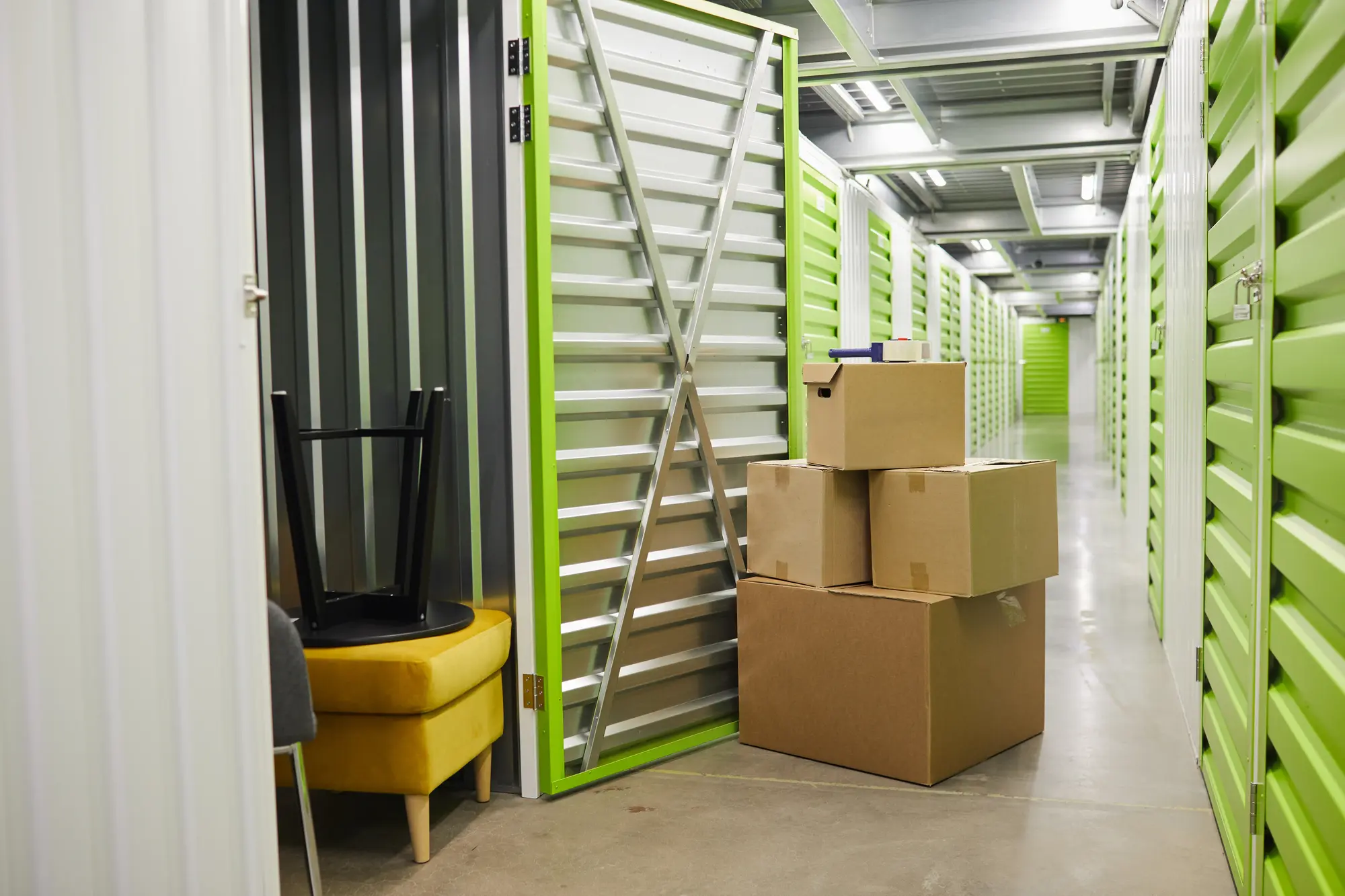
If your growing collection has inched its way out of its dedicated corner, and begun to completely take over your space, it may be time to consider a self-storage unit. Vinyl records thrive in environments where both temperature and humidity are carefully managed. Understandably, these factors are difficult to maintain in most Singapore homes. As a result, self-storage units offer a secure and convenient way to keep your cultural artefacts safe from humidity and temperature fluctuations, while remaining easily accessible.
Benefits of Self-Storage for Vinyl Records:
- 24/7 Access: Visit your storage unit to retrieve or rotate your records whenever inspiration strikes. Your collection remains accessible through the day and night.
- Flexible Lease Options: Choose short-term storage for seasonal decluttering, or long-term protection for rare collections and archives.
- Climate-Controlled Units: Some storage facilities in Singapore offer climate-controlled environments, providing an extra layer of protection against humidity and temperature changes.
- Added Security: Enjoy peace of mind knowing your collection is monitored round-the-clock with CCTV surveillance.
Conclusion
Storing vinyl records in Singapore’s humid climate doesn’t have to be a daunting task. By following these tips on how to store vinyl records, you can enjoy your collection without worrying about damage. Remember, maintaining the right environment is key to preserving the quality of your records.
If you’re ready to take the next step in protecting your vinyl collection, consider exploring self-storage options with SelfStore Singapore. As one of Singapore’s most trusted storage providers, SelfStore offers clean, secure, and conveniently located units designed to protect your belongings from humidity, dust, and temperature changes. With flexible rental plans and 24/7 access, it’s the ideal solution for collectors who want peace of mind and a clutter-free home.
Contact us today to get a quote and find the right storage unit for your needs!
FAQ
How can I tell if my vinyl records are damaged?
When learning how to store vinyl records properly, it’s also important to know what damage looks like. Examine each record under good lighting and keep a lookout for visible warping, deep scratches, or mould spots. These are all indicative warning signs. Furthermore, if a record no longer sits flat on the turntable or skips repeatedly while playing, it’s likely been affected by poor storage conditions such as heat or moisture.
What is the ideal humidity level for storing vinyl records?
The right humidity is crucial when deciding how to store vinyl records long-term. Aim for a stable humidity level of 30–50%. Too much moisture can cause mould and mildew, while overly dry conditions may make records brittle or lead to static buildup. Using a dehumidifier or silica gel packs in your storage unit helps maintain the perfect balance.
Can I store vinyl records in a cardboard box?
While it’s possible, it’s not the best choice if you care about preserving sound quality. When thinking about how to store vinyl records, opt for dedicated vinyl storage boxes or sturdy plastic containers that offer better protection from dust, temperature changes, and accidental bending. Always store records upright, never flat, to prevent warping and pressure marks.
How often should I check on my stored vinyl records?
For anyone wondering how to store vinyl records safely over the years, regular inspection is key. Check your collection every three to six months to ensure the environment remains cool, dry, and stable. Use this opportunity to clean sleeves, inspect for mould, and rotate records slightly to avoid long-term leaning pressure.