

 0
0
Storage Tips
29Dec

How to Keep Sentimental Items Without Compromising Your Minimalist Lifestyle
Key Takeaways
- Practising a minimalist lifestyle becomes easier when sentimental items are curated with intention instead of being discarded abruptly.
- Emotional attachments influence decluttering habits, but structured sorting methods help maintain clarity at home.
- External options such as storage units and climate-controlled facilities allow homeowners to preserve memories without compromising a minimalist home.
Although minimalist homes are all the rage now, it can be rather challenging for sentimental homeowners to declutter to that extent, especially when it comes to disposing of keepsakes that they are emotionally attached to. After all, it is understandable that many of us would like to hold on to family memories, precious mementoes, or meaningful gifts. The good news is that it is absolutely possible to enjoy emotional comfort while still achieving or maintaining a minimalist lifestyle. In this article, we will explore some useful tips to help create the right balance.
Understanding the Minimalist Mindset

Minimalist living is largely achieved by making intentional choices. A tidy environment supports focus, rest, and ease, especially in compact homes where clutter quickly disrupts daily calm. Some items carry stories that tug at the heart, which is why gifts from loved ones or travel keepsakes often blur the line between emotional value and visual noise. Many people are not fond of the challenge of keeping harmony without letting go of things that still feel meaningful. The key rests in managing attachment without abandoning personal comfort.
Why Letting Go Feels Difficult

Objects often act as emotional anchors. A photograph may remind someone of childhood laughter, while a handcrafted gift might represent a relationship that shaped a chapter of life. These emotions can make decluttering feel like erasing an important memory. Cultural habits in Singapore add another layer, influenced by saving festive keepsakes, family heirlooms, or items passed down through generations. Thoughts of regret frequently surface, along with a quiet worry about disrespecting history. Learning how to live a minimalist life begins with acknowledging these feelings gently rather than ignoring them.
Sorting Sentimental Items the Minimalist Way

Sorting becomes easier once items are grouped by emotional value instead of quantity. Categories such as cherished, memorable, and replaceable help clarify what truly deserves space at home. Objects that evoke the most joy can be displayed rather than stowed away to maintain a sense of happiness at home. On the other hand, large collections or seasonal pieces can be rotated throughout the year, so the home stays fresh without feeling crowded.
Sentimental items do not always need to be kept in their physical form. For instance, fragile memories such as letters, artwork, and old photographs can be digitised to minimise physical storage. Ultimately, visual simplicity does not erase emotional depth; it simply helps curate meaning consciously.
Creating Space Without Losing Meaning

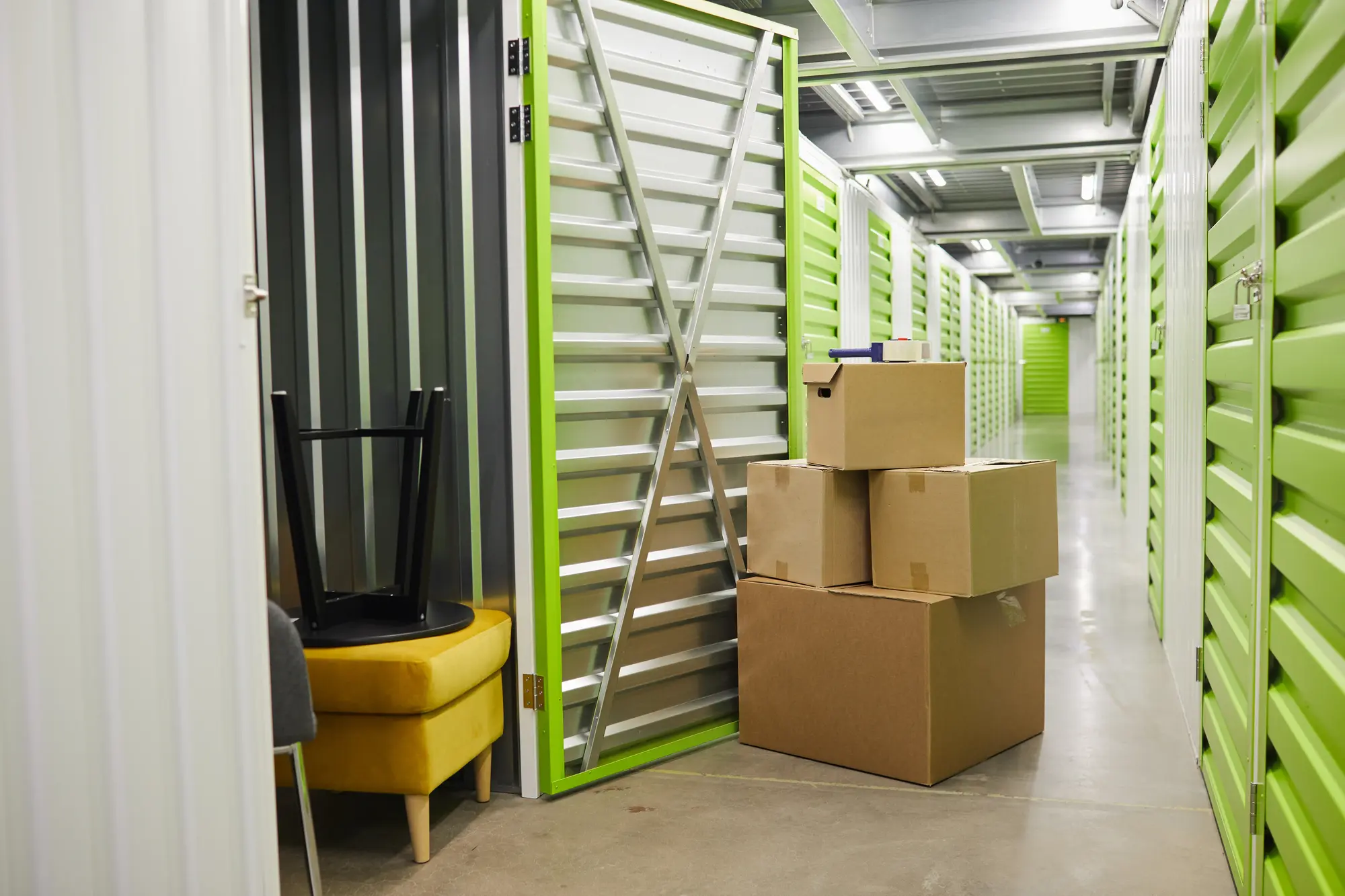
Memories do not depend on clutter. They thrive when preserved with intention. Many homeowners hesitate to discard sentimental objects yet feel frustrated when these same items take up too much room. To that end, external storage like locker rentals becomes a viable compromise. Placing less frequently used belongings in climate-controlled facilities keeps them safe whilst freeing up valuable home space. People often use these spaces to safeguard family heirlooms, childhood treasures, or travel collections. This approach preserves significant parts of your history without overwhelming day-to-day living areas, supporting a balanced minimalist lifestyle.
How to Live a Minimalist Life Without Changing Who You Are

Mindful ownership helps ensure that every piece has a reason. One treasured item often feels more meaningful than several duplicates. Some individuals also create yearly rituals to revisit what they keep, be it at home or at their storage units. This gives them the opportunity to reminisce whilst still being able to create room for new experiences. Digital records of items offer comfort before donating or storing belongings. Many people discover, to their relief, that a minimalist lifestyle offers freedom from excess rather than emotional deprivation.
The Role of Self-Storage in a Minimalist Lifestyle

Self-storage acts as an extension of your home. It allows sentimental yet non-essential belongings to be kept securely without contributing to unnecessary clutter. Some facilities also offer air-conditioned storage units to protect materials such as paper, wood, and fabric from Singapore’s humidity. Furthermore, flexible rental arrangements support changing life stages, from shifting homes to welcoming new family members. A tidy home becomes easier to sustain when delicate or less-used items are kept safely off-site. In a country like Singapore where land is scarce, a storage space for rent offers an excellent way to live minimally without being forced to get rid of sentimental belongings.
Maintaining a minimalist lifestyle is certainly possible, even for sentimental homeowners. Intentional organisation, emotional awareness, and practical solutions can help you balance meaning with simplicity.
Here at SelfStore, we understand the importance of preserving emotionally significant items. Our storage units are secure and climate-controlled, with flexible rental arrangements to cater to a wide range of storage needs. We are also centrally located in Bukit Merah, making trips down to our facility convenient wherever you live.
Contact us to explore storage solutions that support your journey toward a peaceful, clutter-free home.