

 0
0
Storage Tips
29Dec

How Spatial Design Influences Productivity at Home and Work
Key Takeaways
- Good spatial choices support clearer thinking, steadier focus, and smoother daily routines.
- Light, proportion, pathways, and emotional cues shape how people behave and perform tasks.
- Purpose-built areas create predictable, productive habits that strengthen both home and work performance.
The spaces people occupy quietly shape how they think, feel, and work. A strategic approach to spatial design can guide attention, reduce stress, and create the right conditions for efficient routines. As awareness of the built environment grows, it has become clear that productivity is not driven solely by discipline. The surrounding cognitive environment also plays a substantial role by influencing clarity, behaviour, and the ease with which tasks unfold at home or in the workplace. This article explores several strategies—from airflow and spatial proportions to utilising storage spaces—that can greatly enhance how you utilise the space at home and in the office.
Spatial Clarity Reduces Mental Clutter

A strong sense of clarity begins with environments that reduce unnecessary visual load. When spatial design prioritises clean lines, intentional zoning, and logical placement of items, the mind has less clutter to process. The brain instinctively tries to organise its surroundings, so visual noise drains energy that would otherwise support concentration. Rooms that feel tidy, legible, and structured naturally encourage deeper focus. Incorporating productive spatial design is especially valuable for home offices and hybrid working setups where competing tasks often blur together.
Light, Airflow, and Openness Boost Cognitive Function

The sensory qualities of a room have a strong influence on mental stamina. Light, airflow, and a sense of openness directly affect alertness. Natural light helps regulate circadian rhythms, and adequate ventilation prevents the sluggishness that comes with stagnant indoor air. A well-planned spatial design often includes layered lighting, breathable layouts, and open pathways that support clearer thinking throughout the day.
Proportion and Placement Shape Physical Efficiency

Physical comfort is just as important to productivity as mental focus. The relationship between people and their immediate surroundings determines how freely they move and how comfortably they maintain posture. This is where behavioural ergonomics becomes essential. Balanced proportions, thoughtful furniture placement, and accessible tools reduce friction during daily tasks. When the body moves naturally within a space, tasks feel smoother, require less compensatory effort, and remain comfortable over longer periods.
Environmental Cues Influence Motivation and Mindset

Emotional cues within a room influence motivation, creativity, and discipline. Colour palettes, textures, and material choices subtly guide behaviour, helping individuals adopt the mindset needed for different tasks. Warm neutrals create calm, steady working rhythms, while strategic accents may energise creative sessions. More than just decoration, the atmosphere around you can be used as a tool to influence how people respond to their environment and, therefore, how effectively they perform.
Purpose-Built Spaces Enable More Reliable Routines

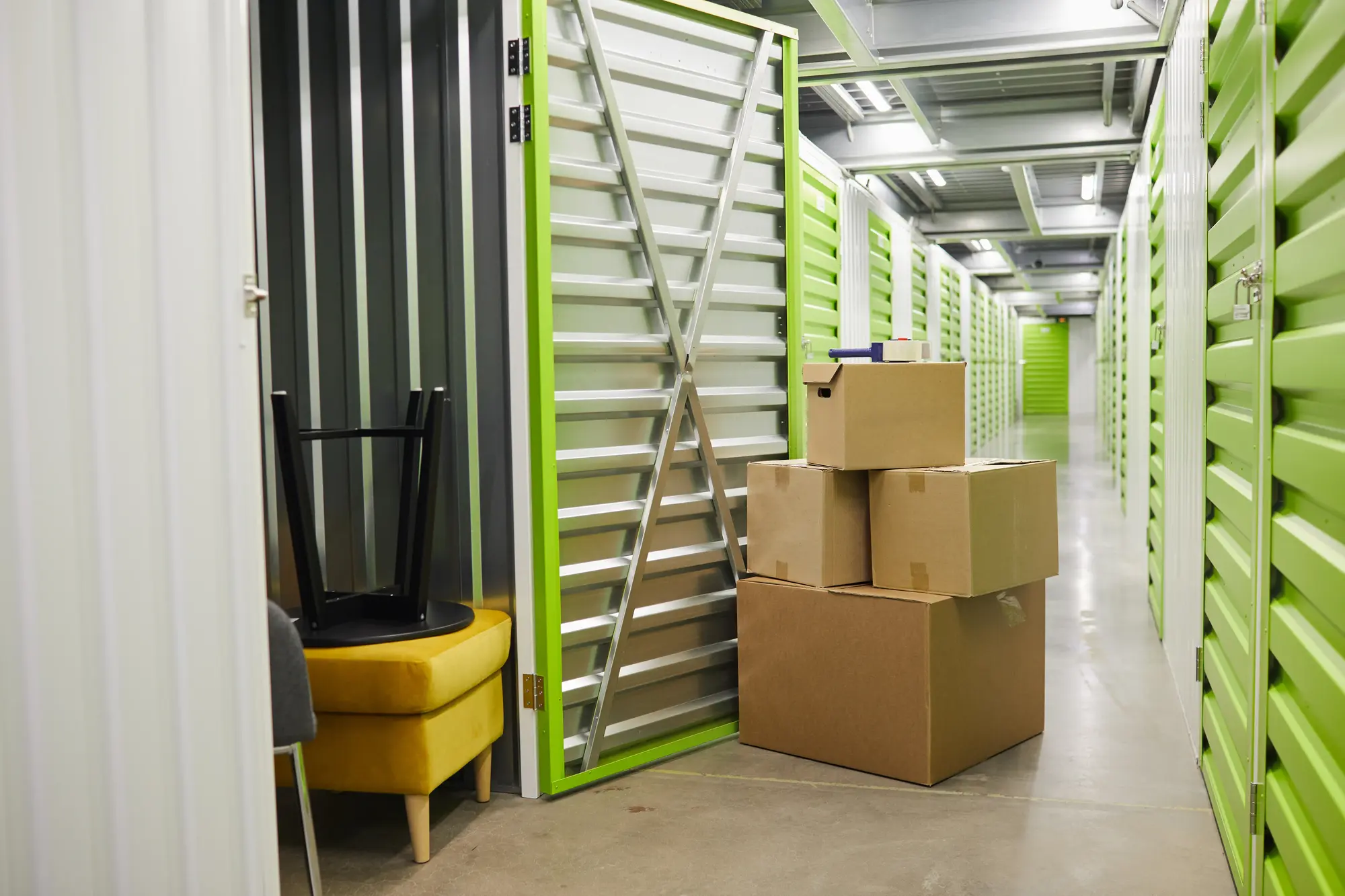
Purpose-built areas help people focus because each space is designed for one main activity. When desks are tidy, tools are easy to reach, and work zones are clearly separated from living areas, it becomes much easier to begin tasks and stay on track. If a home or office becomes too crowded with belongings, using self-storage options like locker rentals can clear away the excess. Having things stored off-site frees up room so every space can work the way it is meant to.
Good spatial design does not mean complicated layouts or expensive renovations; it can be as simple as arranging rooms with intention. When spaces are designed to be clear, comfortable, and organised, they naturally support better habits and smoother routines. These principles work for all kinds of places, from small flats to large offices.
A thoughtful approach to spatial design strengthens productivity by improving clarity, comfort, and emotional balance. When spaces are arranged with purpose, both homes and workplaces become easier to navigate, less distracting, and more supportive of steady, productive habits. Individuals are able to think more clearly, move more comfortably, and follow routines with far less effort because the environment is working with them rather than against them.
Here at SelfStorage, we are committed to helping people maintain a productive environment by providing flexible self-storage options that relieve the pressure on overcrowded rooms. Our storage units support different needs, whether you require short-term breathing room during a transition or long-term storage space rental to keep seasonal items, business inventory, or personal belongings safely out of the way. For users who need compact, easily accessible solutions, secure locker rentals offer a practical alternative without taking up valuable living or working space.
Contact us today to create the extra room your home or workplace needs to stay organised, functional, and ready to support your productivity.